
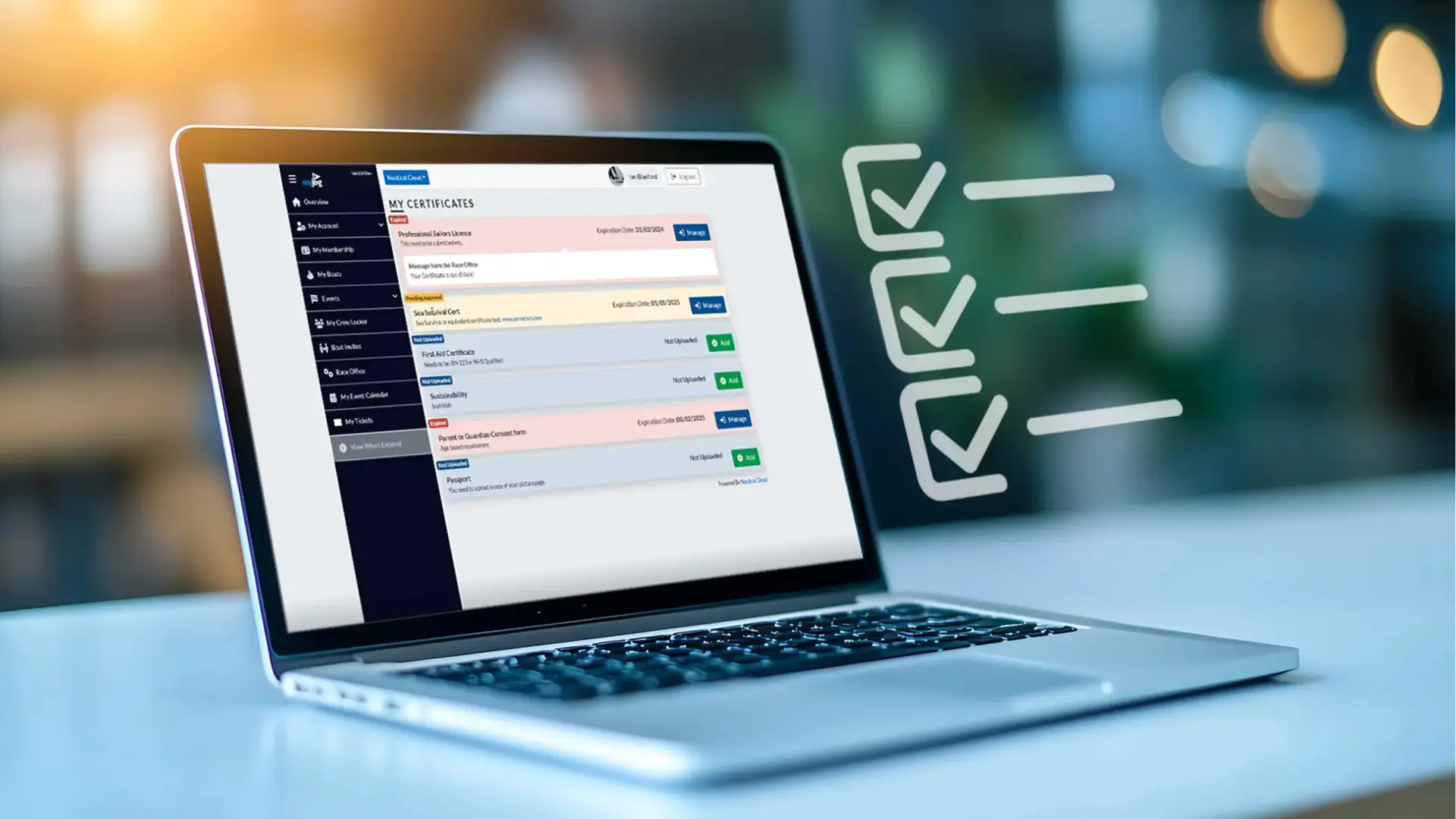
Web portals reduce compliance administration by moving consent collection, checklists, incident reporting, and document management into a single connected system.
Instead of emailing forms back and forth or tracking certifications in spreadsheets, portal users complete tasks directly, with each submission logged, routed, and stored against their record in Dynamics 365. This cuts manual data entry, reduces errors, and creates an audit trail without additional effort from your team.
This post explores how organisations use portals to manage compliance processes, with examples from sectors including safeguarding, maritime safety, and workplace incident reporting.
The Cost of Manual Compliance Processes
Even organisations that have moved beyond paper still rely on emails for approvals, spreadsheets for certification tracking, and manual CRM updates to keep records current.
Each of these creates gaps. Forms get lost in inboxes. Certification lapses go unnoticed until an audit surfaces them. Data entered by hand drifts out of step with the source. The cumulative effect is that teams spend more time administering compliance than improving it, and non-compliance risks grow in the gaps between systems.
How Web Portals Enhance Compliance
An integrated portal enhances efficiency and consistency in compliance by eliminating reliance on paper-based processes and disconnected systems.
Consent Forms
In highly regulated sectors, the process to collect and manage consent forms is often riddled with inefficiencies.
Distributing and collecting signed agreements is an area where integrated portals shine.
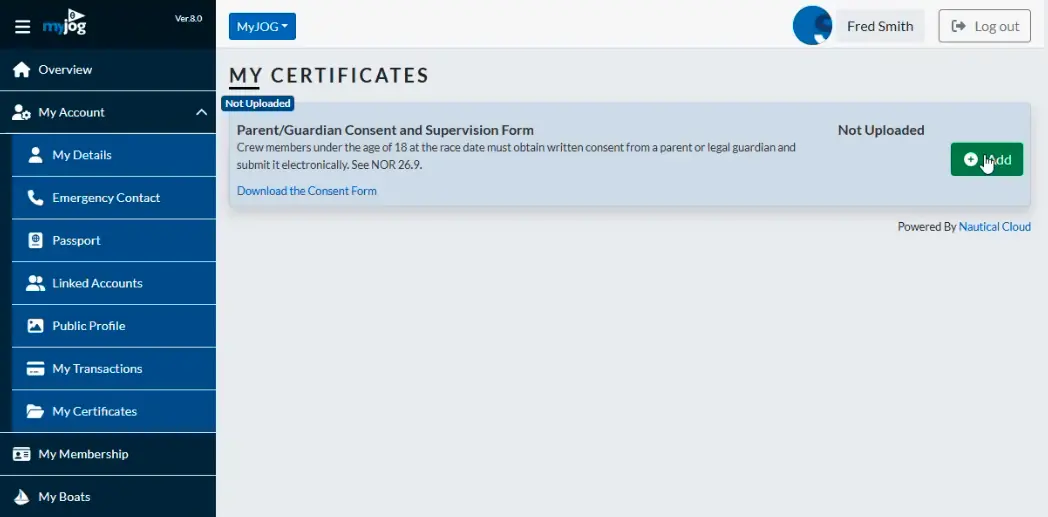
For instance, one of our clients works with minors, which requires them to obtain parental consent forms. Previously, this involved a flood of emails when forms were sent and returned and needed considerable effort to securely file these documents. By deploying a portal, they can notify parents to complete forms and upload these signed documents.
Checklists
Portals also manage custom checklists. In industries with stringent safety requirements, such as healthcare or manufacturing, checklists ensure that necessary steps are completed and confirmed.
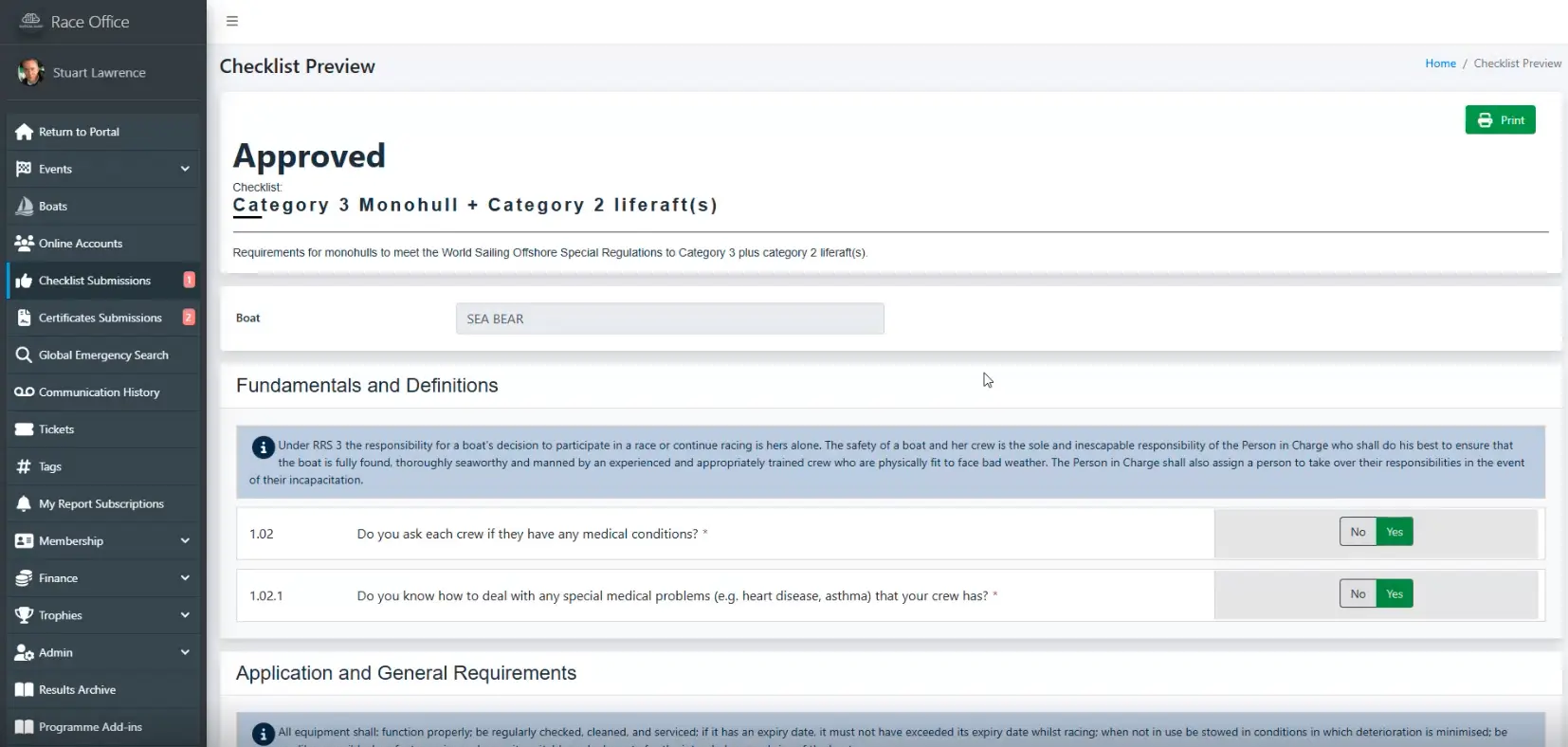
Sailing clubs, for example, must adhere to stringent safety standards for their race events. Each entrant must complete checklists detailing their boats, crew, and other essential items. The administration involved can lead to lengthy registrations and event check-ins.
To overcome these challenges, we implement race management portals, which include guided checklists that prompt entrants to provide the necessary information and documentation. Once submitted, the system can automatically approve entries according to the defined conditions, reducing the pressure on race administrators.
Incident Reporting
Reporting incidents is another process that can benefit from portal integration. Traditionally, this involves manual steps and is prone to errors and unreported issues.
However, using a portal employees can quickly log workplace injuries, complaints, potential data breaches, or equipment malfunctions via standard forms. These reports can then be automatically routed to the appropriate personnel, ensuring rapid response.
Blending Automation with Human Oversight
While portals can automate many processes in support of compliance goals, they don’t replace the need for human oversight.
Portals should always include appropriate escalation paths for complex situations that require human intervention.
The emergence of AI agents increases the scope to automate more complex workflows by using organisational resources and reasoning. However, robust compliance management processes should always:
- Define clear roles between automated decisions and human checks for approvals.
- Establish thresholds for when manual approvals are required.
- Implement regular reviews of automated decisions.
- Provide transparency to explain the reasons behind automated decisions.
This balanced approach uses technology for efficiency while maintaining human judgement and accountability that effective compliance demands.
Benefits of Portals for Compliance Management
Improved Operational Efficiency – Portals can automate tasks such as document management, risk assessments, and reporting. They reduce manual efforts and minimise human errors, freeing teams from repetitive administrative tasks.
Enhanced Risk Mitigation – Real-time monitoring and proactive identification of compliance risks will help all parties address issues before they escalate. Integrated portals provide centralised data access and automated alerts, enabling timely preventive measures.
Streamlined Audit Readiness – Portals connect with Dynamics 365 and other systems to maintain detailed records of activities, decisions, and change logs. These features simplify audit preparations by ensuring accurate documentation is readily accessible during inspections or investigations.
Cost Savings – Automation and efficiency improvements reduce operational costs by minimising errors, avoiding penalties, and optimising resource allocation. Web portals enable organisations to save time and money while maintaining robust compliance processes.
Enhanced Reputation and Trust – Demonstrating commitment to compliance through robust systems builds trust among stakeholders, including supporters, investors, and regulators. This can lead to stronger business relationships, increased loyalty, and competitive advantages in industries where reputation is critical.
How Compliance Portals Reduce Organisational Risk
The operational benefits of portal-based compliance are visible quickly: less manual handling, fewer errors, faster processing.
The longer-term value is harder to measure but more significant. Centralised records and automated routing mean your organisation can demonstrate compliance at any point, not just when an audit is announced. When a regulator, insurer, or board member says “show me the trail”, the answer is already in the system.
For external users, portals also change the compliance relationship. Parents completing consent forms, race entrants working through safety checklists, and employees logging incidents all do so on their own time, through a guided process that reduces the chance of incomplete submissions. Compliance becomes something people can do rather than something done to them.
As AI agents become more capable, the scope for automating complex compliance workflows will grow. But effective compliance still requires human oversight for edge cases, escalation thresholds, and regular review of automated decisions. Portals make this oversight easier.
How We Help
ServerSys builds compliance-focused portals integrated with Dynamics 365. Whether you need to digitise consent collection, automate checklist processes, or create a connected incident reporting system, we can scope a solution around your compliance requirements.
If you are earlier in the process and want to understand what a portal could do for your organisation, we are happy to discuss your situation. Contact us to arrange a conversation.
Updated: March 5, 2026